A New Era for York City
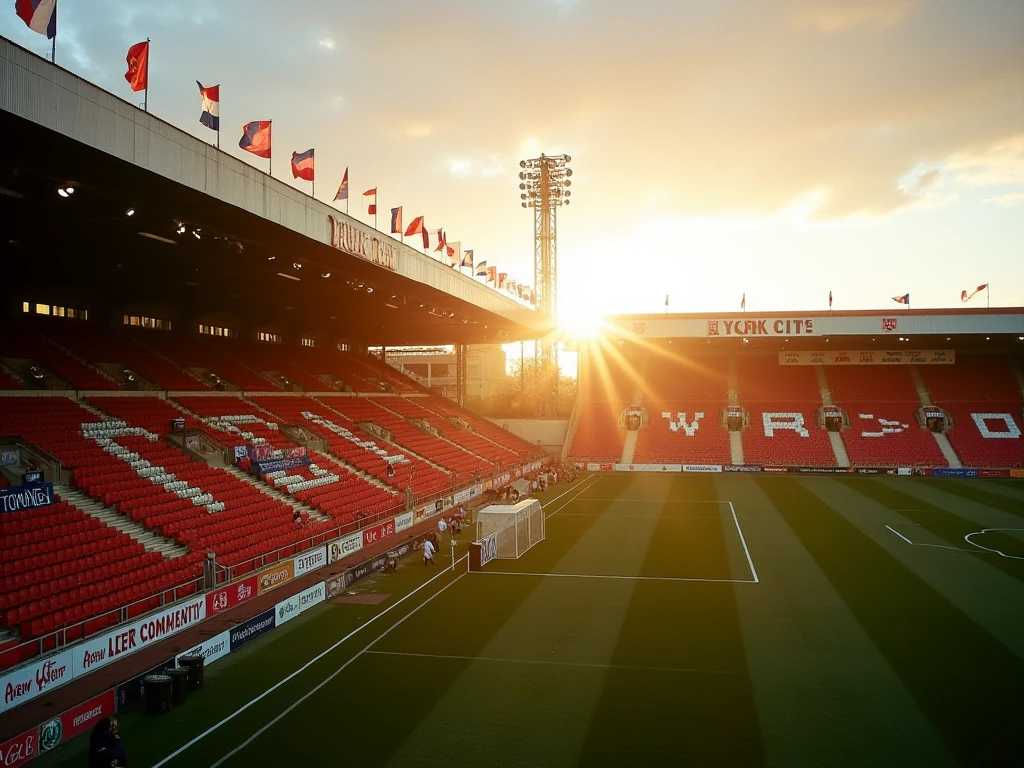
York City Football Club has recently been propelled into the spotlight following their promotion to EFL League Two, a milestone that marks an end to a decade-long struggle in the National League. However, the euphoria surrounding this achievement quickly turned to concern as discussions arose regarding the adequacy of their home ground, Bootham Crescent. Local MP, Rachael Maskell, has publicly stated that the current stadium is insufficient for the club's aspirations.
This situation is more than just a logistical challenge; it encapsulates the aspirations and ambitions of a club eager to reclaim its status in English football. With increased expectations from fans, players, and management alike, the prospect of upgrading Bootham Crescent or even relocating to a new venue now looms large.
The Size Issue: Current Capacity vs. Future Aspirations
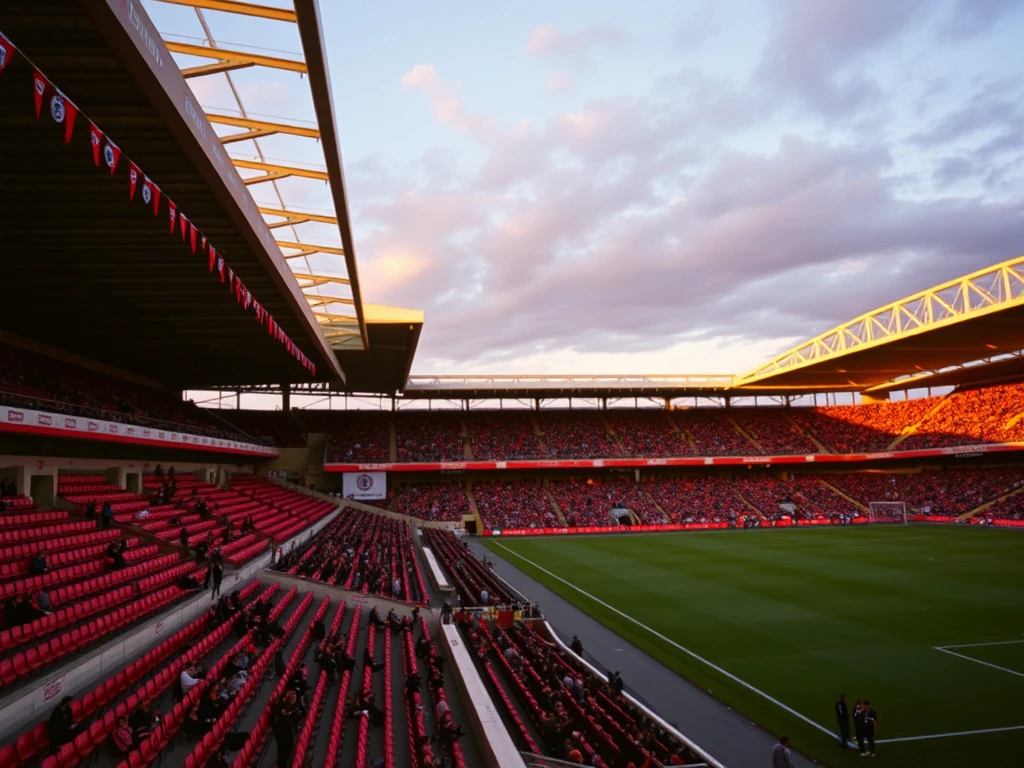
Bootham Crescent has been the proud home of York City since 1932, but its capacity of just over 8,500 seats is now being scrutinised. The club's promotion to League Two is expected to attract larger crowds, especially given their storied history and passionate fan base. With an average attendance of about 3,000 in the National League, the club has the potential to significantly increase its fan engagement and revenue streams in the higher league.
Rachael Maskell’s comments about the stadium being "too small for our ambitions" reflect a growing concern that the current infrastructure may hinder the club's ability to compete effectively. This sentiment is backed by statistics showing that many League Two clubs have larger capacities, which could affect York City’s competitiveness on and off the pitch.
- Key Points on Bootham Crescent’s Limitations:
- Current capacity: 8,500
- Average attendance in National League: 3,000
- Anticipated increased attendance post-promotion
- Limited facilities for hospitality and fan engagement
Historical Context: A Decade in the Wilderness
York City's path to the EFL has been fraught with difficulties, having endured relegations and financial turmoil that saw the club drop to the National League North before finding their way back. The last ten years have been a journey of rebuilding, spearheaded by manager John Askey, who has revitalised the squad and reconnected the club with its loyal supporters.
This promotion is not only a return to form but a chance for York to build on its rich heritage in English football. Historically, the club has fluctuated between the lower leagues and the Football League, with its last major success being a run to the FA Trophy final in 2012. The ambition now is to establish a sustainable model that allows them to compete effectively in League Two.
The Fan Perspective: Passion and Concerns
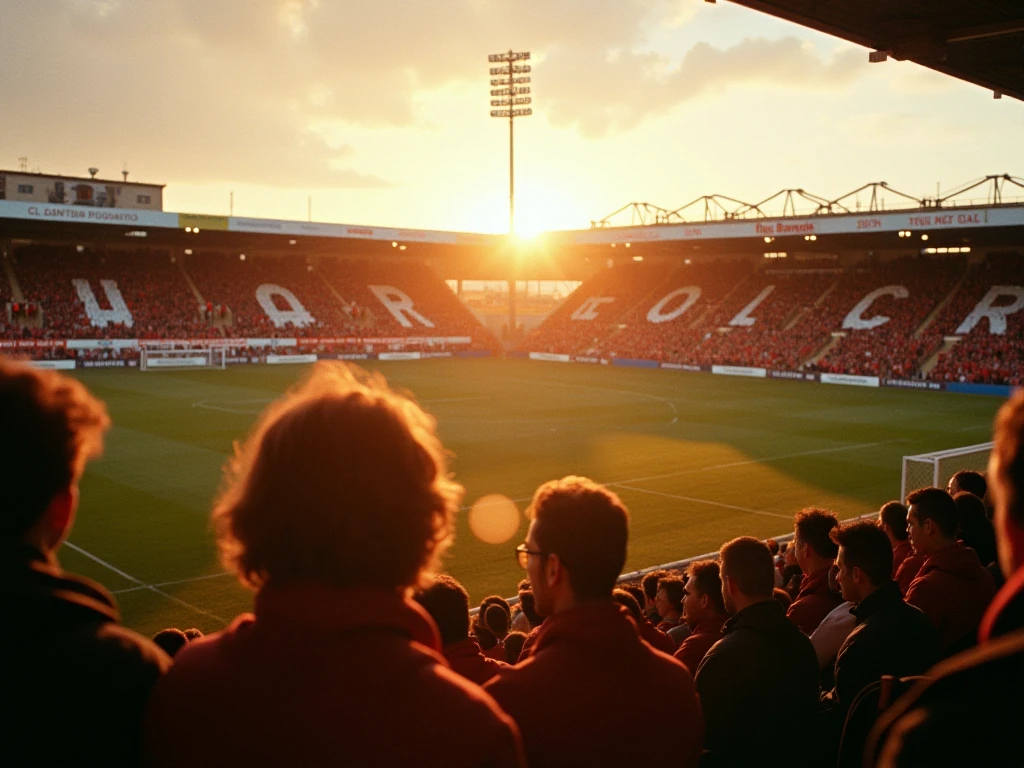
The fans of York City are known for their unwavering loyalty and passion for the club. As discussions about the stadium's future grow, so too does the desire for improvement among the fanbase. Many supporters echo Rachael Maskell’s sentiments.
Social media has been abuzz with mixed reactions following the announcement of the stadium concerns. Some fans are optimistic about the club's potential growth while others voice apprehension about the club's ability to adapt to this new challenge. The general consensus is that while the stadium issue needs addressing, the priority remains supporting the team on the pitch.
- Fan Reactions:
- Excitement about the promotion
- Concerns regarding stadium capacity
- Desire for improved facilities and matchday experience
- Optimism about future growth and success
Financial Implications: Unlocking Potential Revenue
A successful transition into League Two could unlock significant financial benefits for York City, particularly through increased matchday revenues, merchandise sales, and potential sponsorship deals. However, the constraints posed by the current capacity at Bootham Crescent could limit these opportunities.
Increased attendance not only boosts income but also enhances the club's profile, making it more attractive to potential sponsors and partners. The club will need to consider whether investing in a renovation of Bootham Crescent or pursuing a new stadium altogether will yield better long-term benefits.
- Financial Considerations:
- Potential revenue from increased matchday attendance
- Opportunities for new sponsorship deals
- Costs associated with stadium expansion vs. Relocation
- Long-term sustainability of the club's financial model
As York City prepares for their upcoming League Two campaign, the club faces a key crossroads regarding its infrastructure. The management will need to assess the feasibility of expanding Bootham Crescent versus exploring other options, including a potential relocation. Engaging with fans and stakeholders will be vital in shaping the future direction of the club.
The forthcoming season presents a unique opportunity for York City to not only solidify its place in League Two but also to lay the groundwork for future growth. With the right decisions made regarding their stadium situation, the club can continue to inspire its passionate fan base and aim for the heights of English football once again.